What Is The 50-Move Rule In Chess?
The 50-move rule in chess allows a player to claim a draw if 50 consecutive moves are played without captures or any pawn moves. If neither side captures a piece or moves a pawn for 50 moves in a row, either player may stop the game and request a draw.
Here is what you will learn in this article:
- What Is The 50-Move Rule In Chess?
- Why Does The 50-Move Rule Exist?
- How Do You Claim The 50-Move Rule?
- 50-Move Rule Vs. Other Draw Rules
- 50-Move Rule Vs. Stalemate
- 50-Move Rule Vs. Threefold Repetition
- What Is the Difference Between The 50-Move Rule and The 75-Move Rule?
- Tips For Kids To Use The Rule
- Wrapping Up
What Is The 50-Move Rule In Chess?
The 50-move rule is an official rule in chess that allows a draw when 50 consecutive moves happen without any capture or pawn move.
This situation usually appears in long endgames where neither player can make progress. Pieces may move back and forth, but if no pawn advances and no capture happens, the move counter continues to increase.
Once the game reaches 50 moves under these conditions, either player can claim a draw.
50-Move Rule Example
Sometimes chess players reach positions where no real progress can be made. Pieces keep moving, but nothing is captured, and no pawn advances. As Fun Master Mike often explains, chess has rules that keep games fair and prevent them from going on forever. In this article, we learn what the 50-move rule is, why it exists, and how players can use it during a game.
One of the most well-known examples connected to the 50-move rule comes from the legendary 1984 World Chess Championship match between GMs Anatoly Karpov and Garry Kasparov. In game five, the players reached a very long endgame where no pawns were moving and no captures were taking place, while both sides continued to improve their positions slowly and carefully.
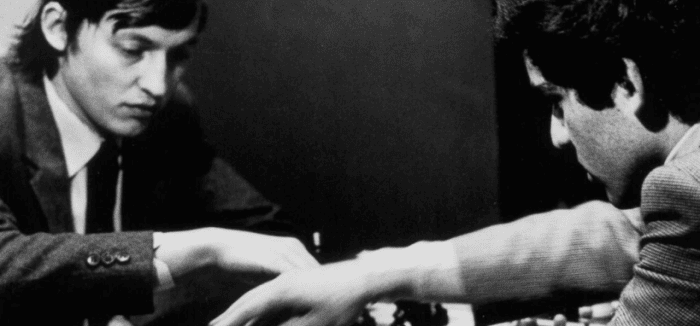
The game stretched on for many moves without real progress. At the time, players had to claim a draw themselves, and the 50-move rule played an important role in preventing such games from continuing indefinitely. Although the draw was eventually agreed, this game became a classic illustration of how long endgames can be and why the 50-move rule is necessary.
Why Does The 50-Move Rule Exist?
Stopping Endless Endgames
Some chess endgames could continue for a very long time if no rules limited them. Imagine two players moving pieces back and forth without capturing anything or pushing a pawn. The game could theoretically continue forever.
The 50-move rule prevents this situation by allowing the game to end in a draw when no progress is made.
Keeping Chess Fun And Fair
Chess rules are designed to keep games competitive and enjoyable. The 50-move rule prevents players from endlessly trying to win positions that cannot realistically be converted into checkmate.
Even strong players sometimes find themselves in positions where winning is extremely difficult. The rule ensures that games eventually end fairly.
How Do You Claim The 50-Move Rule?
The 50-Move Rule In Online Chess On ChessKid
Good news for ChessKids. On most chess websites, including ChessKid, the 50-move rule is automatic.
The computer keeps track of the moves. If 50 moves occur without a pawn move or capture, the game ends in a draw automatically.
How To Claim In Over-The-Board Tournament Games
In over-the-board tournament chess, the rule must be claimed by a player.
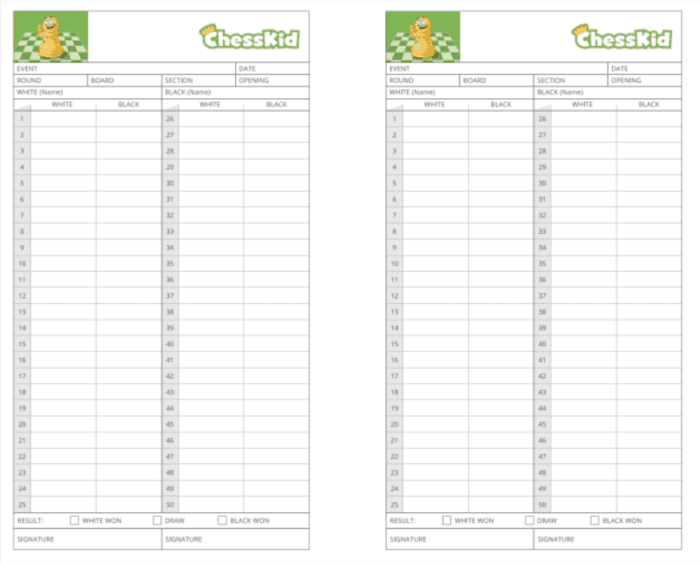
All the moves should be recorded on the chess notation sheet.
A player can stop the chess clock and inform the arbiter that 50 moves have occurred without any pawn move or capture. If the arbiter confirms it, the game ends as a draw.
Real-Life Examples
Even the best players in the world sometimes get caught by a different kind of clock in chess, the 50-move rule.
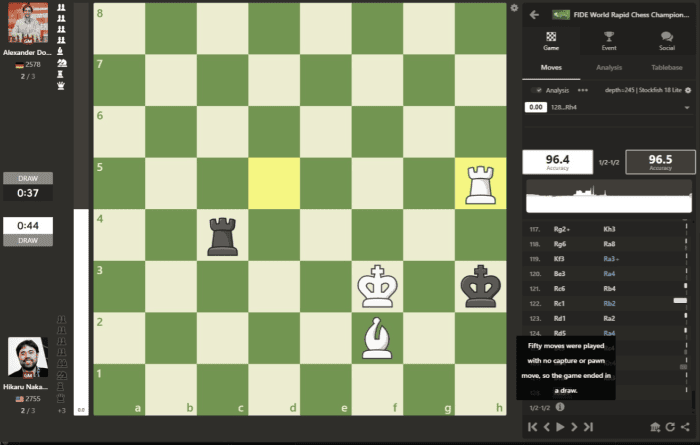
In one exciting online game, GM Hikaru Nakamura was very close to delivering checkmate. He had a winning position and was only a few moves away from finishing the game. But there was a hidden problem. No pawn had moved, and no piece had been captured for a long time. Move after move, nothing changed. The position improved, but the counter kept going up. When the 50-move limit was reached, the game was declared a draw. Even though checkmate was near, the rules of chess stopped the game. This shows that it is not enough to have a winning position; you must also finish the game in time.
Another example comes from the legendary battles between GMs Anatoly Karpov and Garry Kasparov. In one of their long endgames, both players kept improving their positions little by little. It was like a careful dance, with each side waiting for the other to make a mistake. But no captures happened. No pawns moved. And no real progress was made. The 50-move rule was always there in the background, shaping their decisions and reminding them that the game could not continue forever.
Even champions cannot play forever. If nothing changes on the board for too long, the game must end in a draw.
50-Move Rule Vs. Other Draw Rules
50-Move Rule Vs. Stalemate
A stalemate happens when a player has no legal moves but is not in check. The game immediately ends in a draw.
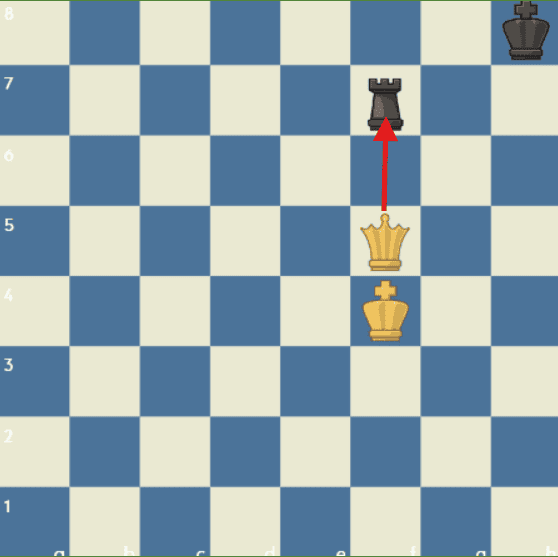
The 50-move rule is different because the game can continue normally until the move limit is reached.
50-Move Rule Vs. Threefold Repetition
Threefold repetition is another draw rule. It occurs when the same position appears three times during a game.
The difference is simple. Threefold repetition depends on repeating positions.
The 50-move rule depends on the number of moves without pawn moves or captures.
What Is the Difference Between The 50-Move Rule And The 75-Move Rule?
Modern chess rules also include the 75-move rule. The difference between the two rules is simple, but very important in practice.
With the 50-move rule, a player may claim a draw if no pawn move or capture has occurred in the last 50 moves. To do this in a tournament, the player must stop the clock, call the arbiter, and show proof on the scoresheet. If no claim is made, the game continues.
With the 75-move rule, the draw is automatic once 75 moves have been played without a pawn move or capture. In this case, the arbiter must intervene and declare the game drawn, even if the players do not claim it.
This situation is very rare in practice, but it is part of the official FIDE rules.
Tips For Kids To Use The Rule
If you are defending a difficult endgame and nothing has been captured or no pawn has moved for many moves, start paying close attention to the move count. One practical trick is to circle or mark the move number on your scoresheet right after the last capture or pawn move. From that moment, you can count forward more easily and know exactly when you are getting close to the 50-move limit. This helps you stay calm and confident, especially if your goal is to reach a draw.
If you are attacking, you need to stay alert in a different way. Try to create opportunities for a pawn move or a capture before the count reaches 50 moves, so you can reset the counter and continue playing for a win. Even a small pawn push at the right moment can give you a fresh chance to convert your advantage.
Strong players often keep track of the count quietly in their mind or with small notes on the scoresheet. Knowing where you are in the count can make the difference between winning, drawing, or missing your chance completely.
Practice With Long Endgames
Many long endgames involve kings and minor pieces, where checkmate can take many moves. Practicing these positions that you can find in the Workouts section helps you finish the game before the 50-move limit appears. You will be able to find there:
- Must-Know Endgames: Bishop Vs. Rook
- Practical Endgames: Queen Vs. Knight
- Difficult Endgames: Bishop And Knight On The Edge
Common Kid Questions
- Do I have to claim the draw, or does it happen automatically?
In over-the-board tournament chess, a player must claim the draw. Online chess platforms usually apply the rule automatically.
- Does a check reset the count?
No. A check does not reset the counter. Only a pawn move or a capture resets it.
- Only the king is left in chess. How many moves?
If both players have only kings, checkmate is impossible, and the game normally ends in a draw quickly. The 50-move rule may also apply if players continue moving without captures.
Wrapping Up
The 50-move rule in chess is an important rule that prevents games from continuing forever.
If 50 moves happen without any pawn move or capture, either player can claim a draw. Pawn moves and captures reset the move counter, and the rule appears most often in long endgames.
Understanding this rule will help you avoid surprises and understand tricky endgames better.